Scandinavian character · Solid wood

Pine handrails

Pine gives a handrail a warm, natural and distinctly Scandinavian character. Its lighter weight and visible knots can create a softer, more informal expression than hardwood.

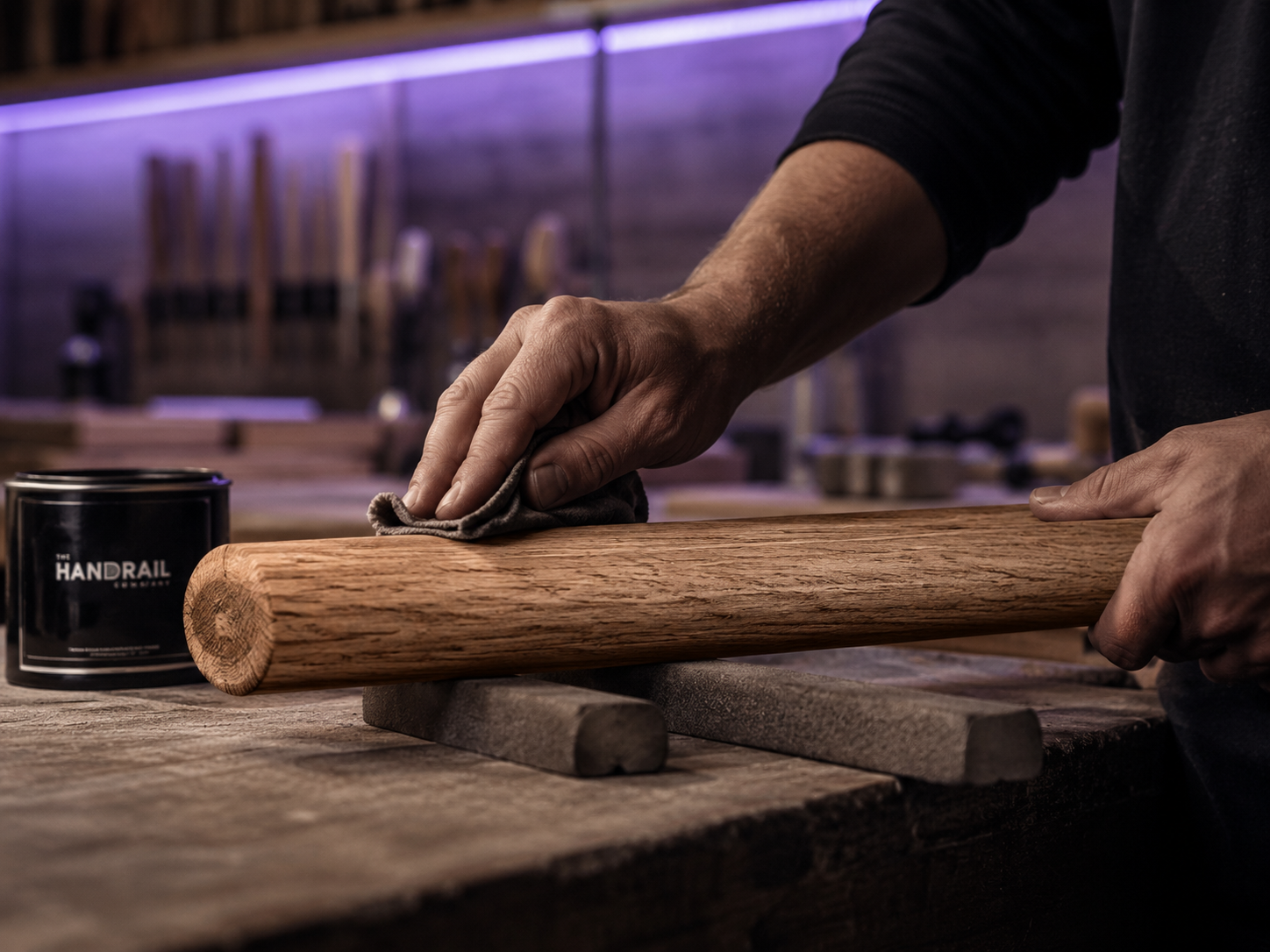
Solid wooden handrail being worked in a Swedish workshop

Why choose pine?

Pine is familiar in Scandinavian interiors and can be a good choice when you want a lighter visual expression, natural knots and a warmer softwood character.

Pine versus hardwood

Pine is softer than oak or ash, which means the surface can mark more easily. For many indoor applications that can be acceptable when appearance and budget are the priorities.

Finishing pine

Pine can be supplied untreated or finished depending on the product. Oils, hardwax oils and lacquers change both protection and colour.

Pine stair applications

A properly designed pine handrail can provide a comfortable grip for indoor stairs. Profile, support and bracket fixing need to be appropriate for the installation.

Made in Sweden from solid wood. Product availability and delivery options will be added as the European range develops.
Questions & answers

Common questions about pine handrails.

Is pine suitable for handrails?

Yes, for suitable indoor applications. It is softer than hardwoods, so expected wear and desired appearance should be considered.

Can pine handrails be stained?

Pine can be stained or finished in different ways, but sample testing is useful because softwood can absorb colour unevenly.

Does pine dent more easily than oak?

Yes. Pine is softer and is generally more susceptible to dents and surface marks than oak or ash.

Can I get pine untreated?

Untreated pine may be available when you want to apply your own finish, depending on the final product range.

Made in Sweden

Looking for the right handrail?

Tell us about your staircase, material and preferred length and we will help you find the right direction.